
Andrea: An AI Platform Built for Financial Advisors
Background & About Our Customer
We were initially hired to build an end to end relationship onboarding and management system for a registered investment advisory firm (the “RIA”) serving ultra high net worth (“UHNW”) families. The RIA’s work is relationship-intensive by design — advisors provide investment, insurance, tax, estate, philanthropic and other services aligned to each family’s wealth, income, multi-generational spending needs, wealth transfer objectives, and long-term aspirations. The RIA has a very sophisticated custom built back end focused on multi-generational planning. The firm also has very experienced Advisors facing off against clients and prospective clients. Everything else in between was basically industry standard platforms which were leveraged to support the close relationship the Advisors were building with clients on the front end, and the multi-generational financial planning and investment (and other) deployment tools on the back end. The platform we were asked to build would first, assist the RIA’s Advisors in gathering the information needed for the RIA to be able to add (and demonstrate) significant value as compared to the prospective client’s then current structure, and second assist the RIA’s Advisors in managing the client relationship after they were onboarded. Some of this is structured data, but most of it is the product of many tens or even hundreds of conversations with members of the family, other advisors to the family etc. We learned early in the process that “no client had ever shared all the information that would be ideal for planning purposes.”
The Challenge

The objectives were clear:
- An AI platform designed around how advisors actually work, rather than one that forces advisors to adapt to the software.
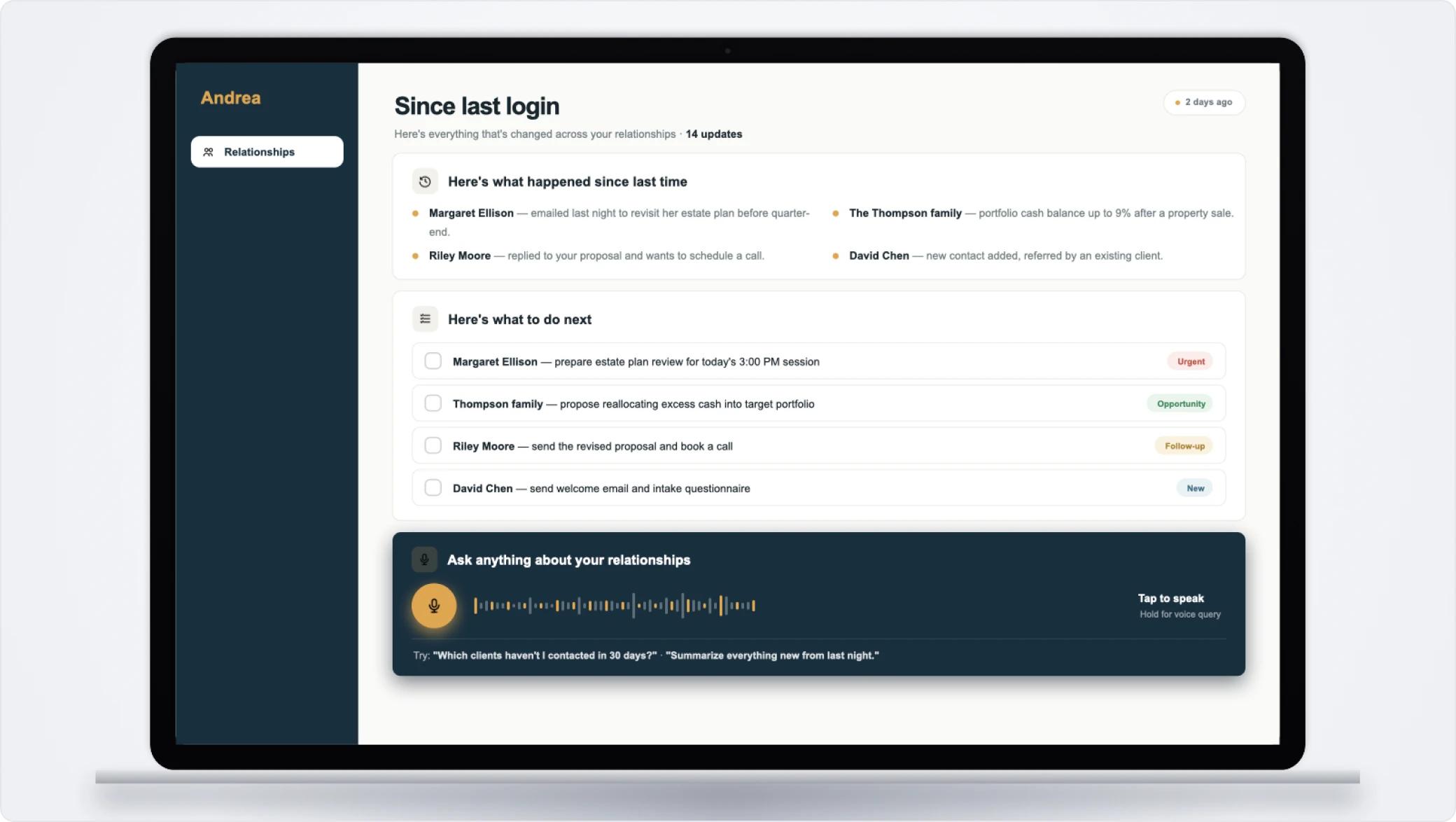
- Continuous, compounding memory so that context from every interaction or piece of data is always available and integrated into the mosaic of the relationship.
- Reclaim the hours advisors lose to administration — session prep, documentation, follow-ups, and CRM upkeep.
- Direct integration with the firm’s system (or systems) of record so no client detail is ever stranded or lost.
- An intelligence layer that stays vendor-agnostic so the platform always runs on the best available AI.
- A multi-tenant foundation that scales cleanly to a growing book of client firms.
The Transformation
We partnered with Overture and the RIA, taking the platform from design through production.
The engagement covered discovery, architecture, full-stack development, QA, deployment, and infrastructure handoff.
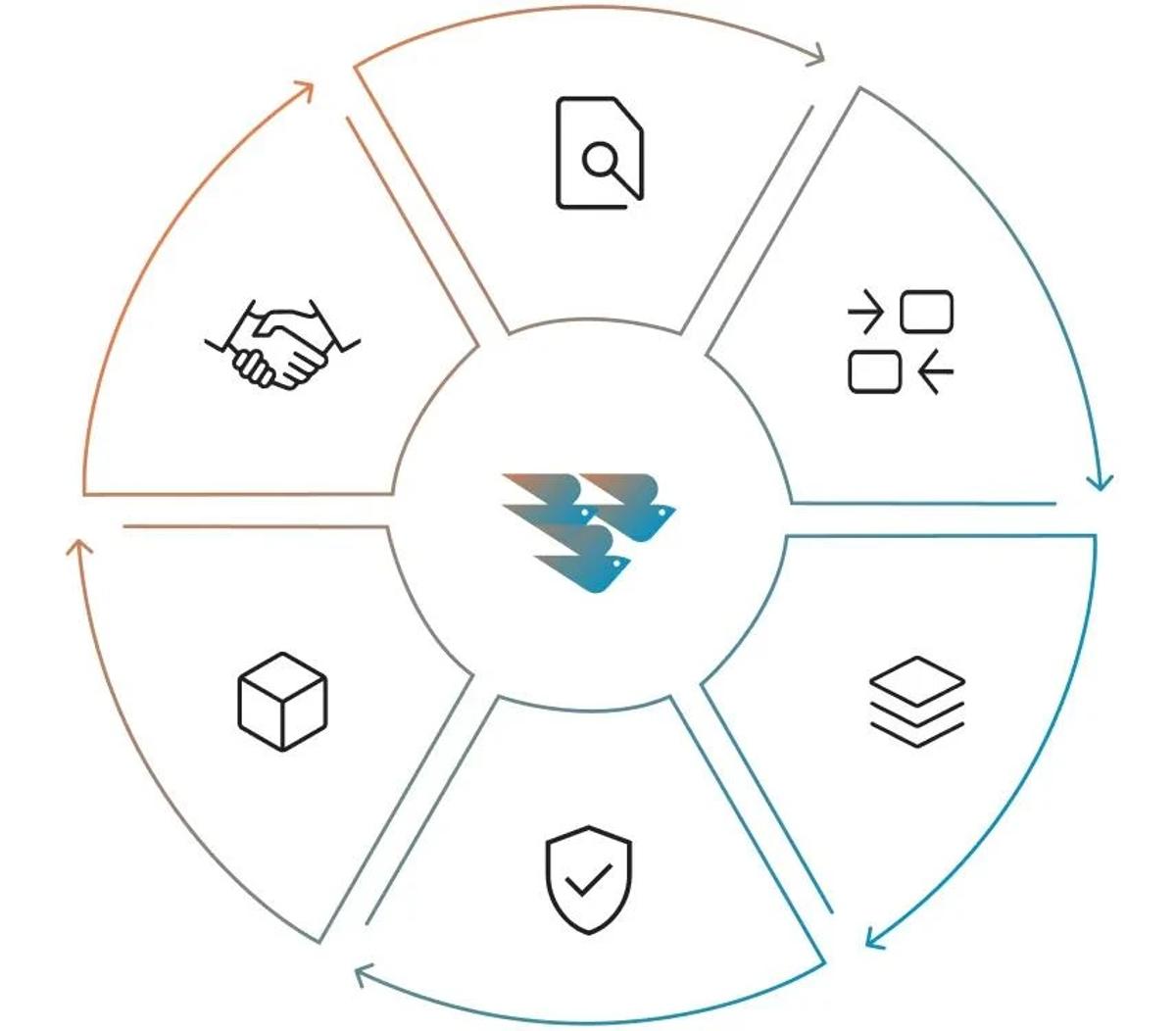
At the core of the build is Overture’s founding premise: context compounds across every interaction. Every piece of information, regardless of how it comes in, feeds one continuous memory that never resets. The individual advisor who walks into their fortieth meeting with a family should be supported by everything learned in the previous thirty-nine (and all the information shared over the years) regardless of who staffed those prior meetings — and Andrea is architected so that they are.
Five principles guided the work:
Design for the advisor’s real workflow
Discovery was invested in understanding how advisors at firms like the RIA actually operate — how they prepare for sessions, capture information during and after meetings, and manage relationships over months and years. The platform was built to fit that workflow, not to require advisors to adapt to the software.
Build specialized agents, not one generalist
Rather than a single model trying to do everything, Andrea runs on multiple specialized agents, each with its own skill set, coordinated through orchestration — each doing the job it’s built for, and the orchestration layer making them work as one.
Connect to where the data lives
For example, Andrea integrates directly with CRMs managing every relationship update — contacts, accounts, notes, and activities. The back end depends on the advisors preferences and infrastructure, but nothing captured in Andrea is ever stranded there; the firm’s system of record stays complete, current and auditable, so no client detail is ever lost.
Stay vendor-agnostic on AI
Andrea’s intelligence layer is LLM vendor-agnostic — models can be swapped as the landscape evolves, so the platform always runs on the best available AI rather than being locked into a single provider.
Build for scale from the start
Andrea was designed as a multi-tenant platform. Each firm operates on its own instance with isolated data and configurable branding, designed to support a growing book of client firms without structural rework.
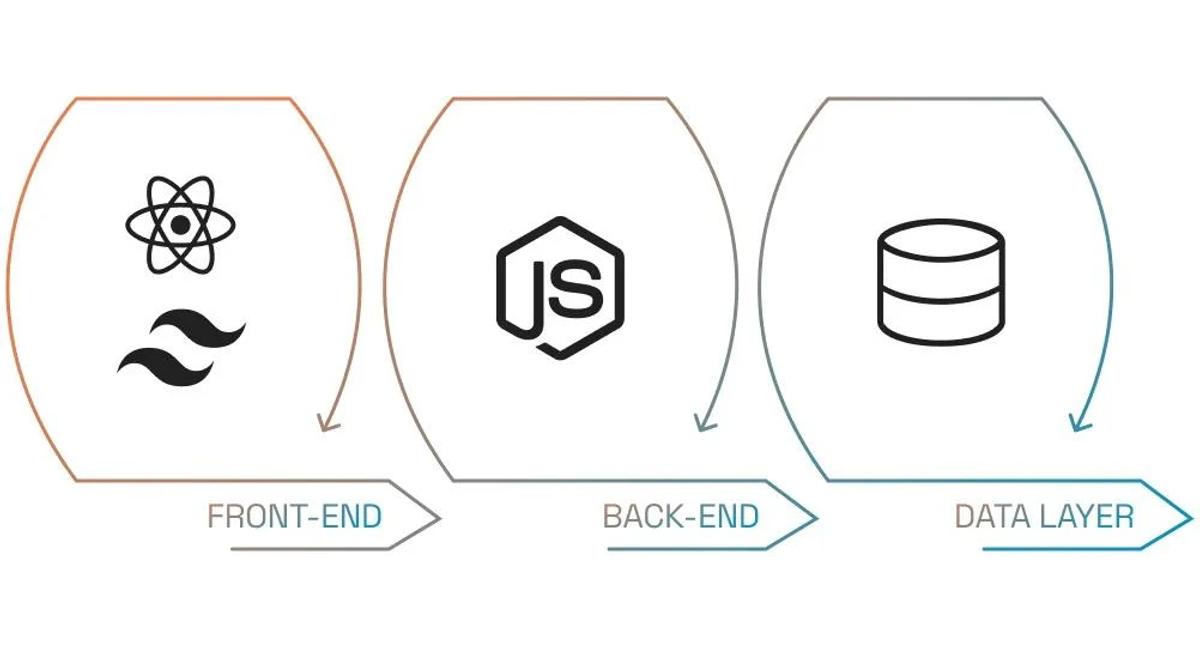
Built on a modern stack:
React and Tailwind CSS on the front-end, Node.js on the back-end, and a relational data layer — on a multi-tenant architecture that scales cleanly to each new firm as a separate instance.
What’s Next
While Overture’s Andrea is in production and daily use, there is a robust and evolving roadmap. The platform is built to grow: moving towards a single environment where context is always current and every routine task is handled. For Overture, the launch is the first proof point of the product vision: a platform where context accumulates across every piece of information and is always ready when needed.
More Financial Services Projects

A Custom Equity Research Platform for a Boutique Investment Firm
Read More
Arrowside
Comprehensive brand evolution with digital transformation and data visualization solutions.
Read More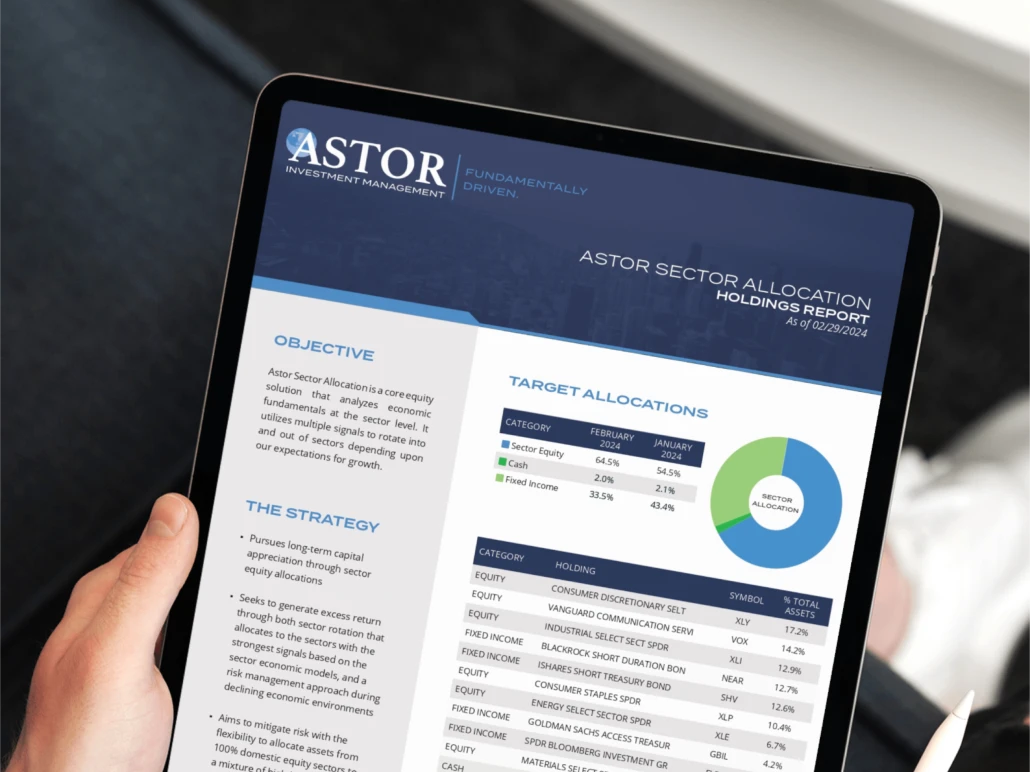
Astor
Comprehensive data visualization and reporting suite for asset management firm.
Read More